
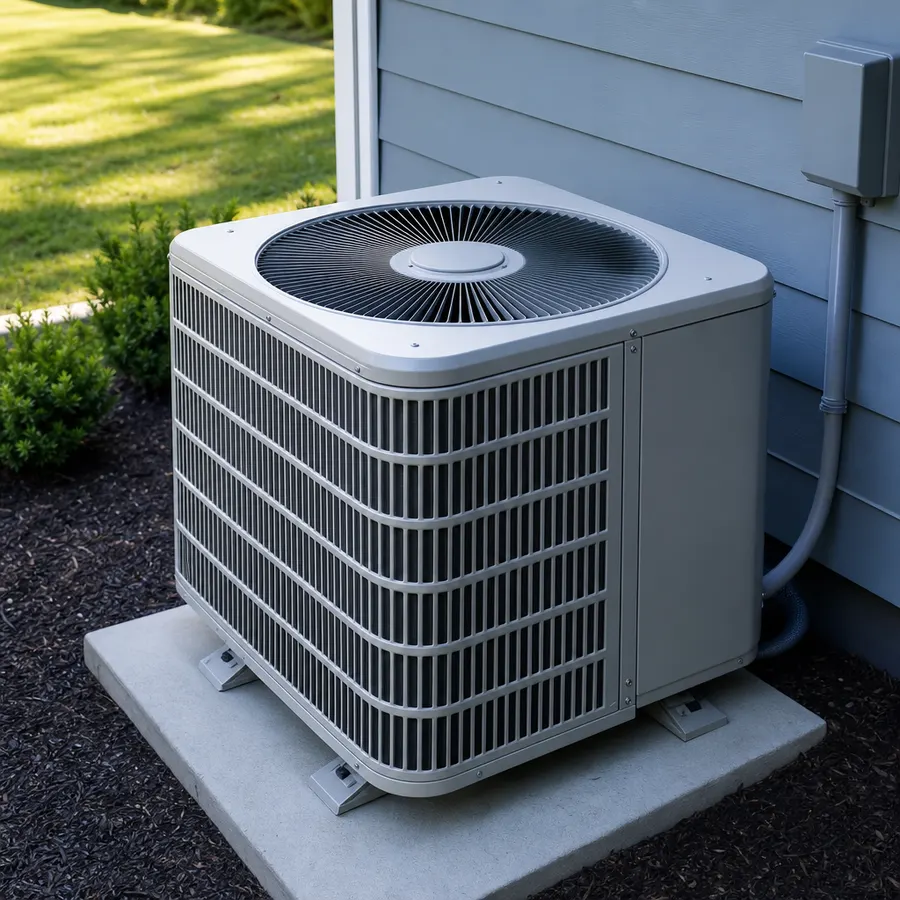
Resolving Geothermal System Failures in Berea Homes
Are you dealing with a geothermal system that keeps locking out on a "water flow" error, making gurgling noises from the indoor cabinet, or running up your electric bill because it is stuck in auxiliary heat? Geothermal heat pumps are incredibly efficient when operating correctly, but a drop in loop pressure, a scaled-up heat exchanger, or a failing circulator pump will not resolve itself without professional intervention. Feistritzer Heating & Air Conditioning is equipped to pinpoint exactly where your geothermal system is failing and restore its efficiency.
Warning Signs Your Geothermal System Needs Repair
Spiking Energy Bills and Constant Auxiliary Heat
The most common sign of a geothermal issue is not a complete breakdown, but rather your electric bill suddenly doubling or tripling. You might also notice your thermostat constantly displaying an active "Aux Heat" or "Emergency Heat" notification on the screen. This means the system is no longer able to extract adequate thermal energy from the ground loop outside.
To keep your home comfortable, the equipment has defaulted to using its built-in electric resistance heaters. These backup heaters consume massive amounts of electricity compared to the highly efficient primary compressor. If ignored, you are masking a deeper failure in the loop or heat exchanger that could eventually destroy the entire system.
Water Flow or Low-Pressure Lockout Codes
Your thermostat or the control board on the indoor unit may flash a specific error code related to low water flow or source pressure. In many cases, the system simply locks you out entirely and refuses to run the compressor. Geothermal systems rely on a precise, continuous flow of water and antifreeze solution through the buried ground loop.
If a circulator pump weakens or if there is a micro-leak in the buried lines causing pressure to drop, the system detects the flow reduction immediately. The internal safety switches will shut the equipment down to prevent catastrophic damage to the heat exchanger. Bypassing or resetting these lockout codes without fixing the underlying pressure issue will quickly burn out the heat pump components.
Gurgling, Grinding, or Cavitation Noises
You may hear strange, fluid-like gurgling sounds coming from the indoor cabinet while the system is running. Alternatively, you might notice a harsh grinding noise from the localized plumbing attached to the unit. Gurgling usually indicates that air has entered the ground loop system, which should always remain completely pressurized and air-free.
Grinding sounds typically point to a failing circulator pump, often called a flow center, that is struggling to push fluid through the lines. This struggle is sometimes caused by air cavitation, where tiny air bubbles implode against the pump impeller and cause severe mechanical wear. Air in the lines drastically reduces heat transfer efficiency and causes the pumps to overwork until they seize up completely.
Lukewarm Air at the Registers
The system might be running continuously, and air is blowing out of the vents, but it never feels adequately conditioned. You will notice the indoor temperature failing to reach the set temperature on the thermostat despite hours of operation. This often points to a fouled coaxial heat exchanger, a refrigerant leak within the indoor cabinet, or a mechanical issue with the reversing valve sticking.
When the equipment cannot properly transfer heat between the earth loop and the indoor air, it loses its ability to change the temperature in your home. The system will run constantly in a futile attempt to condition the space. This continuous operation accelerates wear and tear on the blower motor and compressor while failing to keep your living space comfortable.
Common Causes of Geothermal Breakdowns
Ground Loop Pressure Loss and Micro-Leaks
The buried high-density plastic pipes that make up your ground loop can develop microscopic leaks at the fusion joints or manifolds. This damage causes the pressurized fluid to slowly escape into the surrounding earth, leading to a steady drop in system pressure. In Berea, the transition zones between dense clay and rocky foothill soils cause significant ground shifting throughout the year.
This localized soil expansion and contraction physically pulls on the buried loops over time, stressing the underground joints until they finally give way. Repairing this requires specialized flush-cart equipment to locate the pressure drop and isolate the compromised section of the loop. We then purge all air from the lines and recharge the system with the correct water-to-antifreeze ratio to restore factory pressure.
Scaled or Fouled Heat Exchangers
Mineral deposits can accumulate inside the heat exchanger or the desuperheater, which is the component that helps heat your domestic water. These minerals create a thick, insulating barrier that physically blocks heat transfer between the water loop and the refrigerant. Central Kentucky is known for its hard water, meaning calcium and magnesium will rapidly scale up internal components if your system utilizes an open-loop design.
When scaling occurs, the compressor has to work much harder to achieve the same amount of heating or cooling. The solution involves isolating the heat exchanger and performing a professional chemical acid flush. This process dissolves the mineral buildup without damaging the internal metallic components, safely restoring proper thermal transfer.
Flow Center and Circulator Pump Failure
The pumps responsible for constantly moving fluid through hundreds of feet of underground piping eventually wear out, lose their impellers, or suffer electrical failure. These pumps run incredibly hard to maintain continuous circulation, especially during periods of extreme temperature swings. If the loop pressure drops even slightly, these pumps have to work twice as hard to maintain the required flow rate.
This excessive strain leads to premature electrical burnout or mechanical failure of the pump motor. We diagnose the electrical draw and flow rate of the flow center to determine exactly how it is failing. If a pump has failed, we replace the motor or the entire pump volute, ensuring the new component is properly sized for the exact resistance of your specific ground loop.
Refrigerant Leaks in the Indoor Cabinet
While the outside loop uses a water and antifreeze mixture, the indoor cabinet operates exactly like a traditional heat pump using chemical refrigerant. Vibrations and years of operation can cause micro-leaks in the evaporator coil or the internal copper tubing. Because geothermal units are often located in basements or crawlspaces, these slow leaks can easily go unnoticed.
Eventually, the system completely loses its ability to heat or cool the air passing through the ductwork. As a repair-first company, we perform a thorough electronic leak search to find the exact source of the escaping refrigerant. We then braze and seal the leak, replace the filter drier, pull a deep vacuum, and weigh in the precise factory charge of refrigerant.
What to Expect During the Service Visit
When you call us out to your Berea home, you get a consultative, repair-first approach to your HVAC problems. Geothermal systems have two distinct halves, consisting of the earth loop outside and the indoor refrigeration cabinet inside. We never guess which side is failing, and we never recommend replacing a system when a targeted repair will solve the issue.
Our NATE-certified technicians arrive fully equipped to test both halves of your geothermal system. We check the electrical components, measure the pressure and flow rate of your loop using specialized gauges, and test the internal refrigerant charge. Because we are brand-agnostic, we can accurately diagnose and repair any make or model of geothermal equipment, whether it is a legacy system or a modern variable-speed unit.
Once we pinpoint the exact point of failure, we sit down with you to explain the mechanical problem clearly. We will show you exactly what can be repaired today to get your system back online safely. You will receive a transparent breakdown of the repair options, driven entirely by what makes the most sense for your comfort and the lifecycle of the equipment.
Related Services to Consider
Geothermal systems require specialized, ongoing care to maintain their high efficiency and protect the underground loop. To prevent future loop pressure drops and keep your heat exchangers clean, we highly recommend our comprehensive Geothermal Maintenance & Tune-Up service. If your home utilizes a hybrid setup with traditional equipment for an upper floor or addition, our team is also fully equipped to provide expert Heat Pump Repair & Service.
The True Cost of Waiting to Repair Your System
Ignoring a malfunctioning geothermal system is one of the most expensive mistakes a homeowner can make with their property. Because these systems automatically fall back on auxiliary electric heat when they struggle, delaying a repair directly impacts your wallet. Leaving the system in this state can result in utility bills spiking by hundreds of dollars in a single month.
Beyond the immediate utility costs, operating a geothermal unit with low loop pressure, air in the lines, or a fouled heat exchanger causes severe mechanical damage. It forces the compressor to run at extreme temperatures and pressures just to keep the house conditioned. A relatively affordable flow-center replacement or loop purge can quickly escalate into a catastrophic compressor failure, which is one of the most expensive repairs in the HVAC industry.
Addressing fault codes, strange noises, and sudden efficiency drops immediately preserves the lifespan of your equipment. It protects the massive investment you made in geothermal technology and keeps your daily operating costs as low as possible.
Expert Geothermal Diagnostics When You Need Them
Since 1976, Feistritzer Heating & Air Conditioning has been delivering honest, homegrown HVAC solutions to Central Kentucky. We know that a failing geothermal system is stressful, but you do not have to navigate the repair process alone. Our team is ready to bring our accountable, brand-agnostic expertise straight to your property. Reach out to us today to schedule your diagnostic visit and get your geothermal system running efficiently again.