
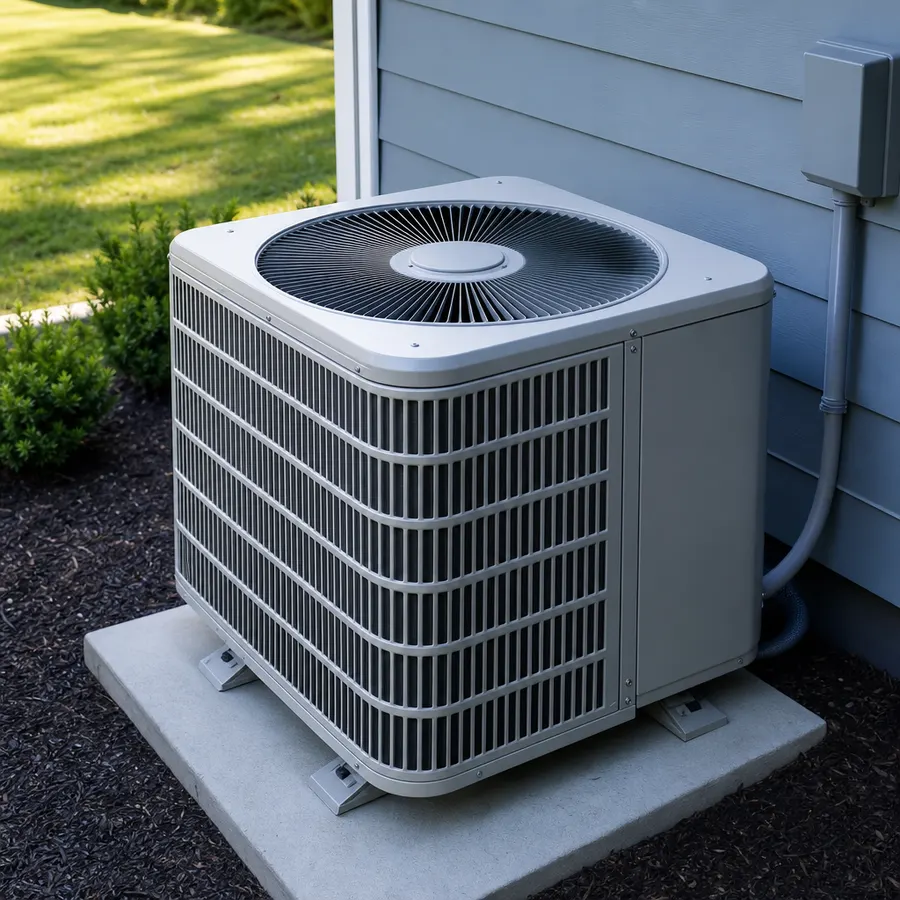
Resolving Geothermal System Failures in Your Hustonville Home
Is your geothermal system constantly running in auxiliary or emergency heat, causing a sudden, massive spike in your electric bill? Perhaps you are noticing a drop in loop pressure, poor heating and cooling performance, or hearing strange grinding noises coming from the indoor heat pump cabinet. Geothermal systems are complex, combining refrigeration, plumbing, and electrical components, meaning ignoring these symptoms forces the compressor to overwork and risks a catastrophic failure. As a homegrown, brand-agnostic HVAC company, Feistritzer Heating & Air Conditioning brings decades of NATE-certified expertise to diagnose exactly where your ground-source system is failing.
Warning Signs Your Geothermal System Needs Repair
System Stuck in Auxiliary or Emergency Heat
You might notice your thermostat constantly indicates the auxiliary or emergency heat is running, followed by a monthly electricity bill that has suddenly doubled or tripled. This usually means the primary geothermal heat pump is failing to extract thermal energy from the ground. The system has recognized a critical fault and defaulted to standard electric resistance heating just to keep your home comfortable.
If you ignore this warning sign, you are completely losing the financial benefit of owning a highly efficient geothermal system. You will continue to pay exorbitant energy bills month after month while putting extreme stress on your electrical panel. Furthermore, whatever underlying issue caused the lockout will only worsen over time until the unit stops working entirely.
Low Loop Pressure or Antifreeze Puddles
You may spot a pressure warning on your flow center gauge, or you might physically see a sticky, brightly colored liquid pooling around the indoor plumbing connections. This indicates a leak somewhere in the underground loop field or right at the indoor flow center joints. Your system is actively losing the vital water and antifreeze solution required to transfer heat to and from the earth.
Without adequate fluid and pressure, the heat pump simply cannot transfer thermal energy. Running the system dry will quickly destroy the circulator pumps as they struggle to move nonexistent water. Eventually, this lack of heat transfer will cause the compressor to overheat and burn out completely.
Diminished Hot Water Supply
You might notice your family is running out of hot water much faster than usual, even though your system is equipped with a desuperheater. This component is designed to capture waste heat and supplement your traditional hot water tank to save you money. A sudden drop in hot water capacity usually points to a failed circulator pump on the hot water generation side of your equipment.
It could also indicate severe scale buildup inside the heat exchanger that is preventing proper thermal transfer. While this specific issue will not necessarily stop your home from heating or cooling, ignoring it hits your wallet directly. You end up paying your standard water heater to do the heavy lifting that your geothermal system should be doing for free.
Grinding, Rattling, or Hissing Noises
When your unit cycles on, you might hear loud mechanical grinding, aggressive rattling from the indoor cabinet, or a distinct hissing sound. Grinding and rattling typically point to failing bearings in the blower motor or a dying compressor struggling to operate. Hissing is a classic, undeniable sign of a pressurized refrigerant leak inside the air handler coil.
These are serious mechanical failures that will eventually cause the entire system to shut down completely. Addressing a noisy motor early can often save the blower assembly from total destruction. Waiting until the motor seizes completely often causes collateral electrical damage to other sensitive control boards.
What is Causing Your Geothermal Breakdown
Ground Loop Leaks from Soil Shifting
Over time, the underground pipes that make up your geothermal loop can develop small leaks at the fusion joints or manifold connections. In Hustonville and the surrounding rural areas, our heavy clay soils expand and contract dramatically between wet springs and dry late summers. This constant shifting puts immense physical stress on horizontal loop fields, eventually causing a joint to pull apart and leak fluid.
Resolving this requires pressure-testing the loop field to isolate the exact location of the leak. We may need to excavate the specific area, repair the damaged pipe via thermal fusion, and carefully recharge the system. Finally, we balance the loop with the correct water-to-antifreeze ratio to prevent freezing during the winter months.
Mineral Scaling in the Heat Exchanger
The internal components that transfer heat between the ground fluid and the refrigerant can become coated in a thick, chalky layer of mineral deposits. This is incredibly common in rural properties utilizing open-loop systems or well water, as the local groundwater often contains high levels of calcium and magnesium. This hard water scale chokes off water flow and drastically reduces heat transfer efficiency.
A technician must flush the system using specialized descaling solutions to break down the stubborn mineral buildup. This careful process restores proper fluid flow and heat exchange efficiency without damaging the sensitive internal plumbing. Regular flushing is the best way to keep an open-loop or well-sourced system running smoothly.
Failed Circulator Pumps
The pumps located in the flow center are responsible for pushing the water and antifreeze mixture through miles of underground piping. These pumps run almost constantly to keep fluid moving and maintain the thermal exchange process. Over time, normal wear and tear, rural power grid surges, or running with low fluid levels will cause these pump motors to burn out or seize up.
The repair process involves isolating the flow center and safely draining a small amount of the loop fluid. We then replace the faulty pump with an exact match for your system's required flow rate. Afterward, we meticulously purge any trapped air from the lines to ensure smooth, quiet operation.
Refrigerant Leaks in the Evaporator Coil
Microscopic holes can develop in the copper or aluminum tubing of the indoor unit's coil, allowing the chemical refrigerant to escape into the atmosphere. This is usually caused by formicary corrosion, which is a chemical reaction between the metal coils and common airborne volatile organic compounds found in every home. Without the correct volume of refrigerant, the heat pump cannot absorb or reject heat effectively.
We must locate the exact site of the leak using highly sensitive electronic leak detectors. Depending on the severity of the corrosion, we will either braze the hole to seal it or replace the coil entirely. Once sealed, we recharge the system with the precise weight of refrigerant required by the manufacturer.
What to Expect During the Service Visit
When you call Feistritzer Heating & Air Conditioning to your Hustonville property, you get a consultative, repair-first approach from professionals who respect your investment. We know geothermal setups represent a major upfront cost, so we never guess at the problem or push unnecessary replacements. Our NATE-certified technicians arrive fully equipped to diagnose the entire system, from the underground loop dynamics to the indoor air handler.
We check the loop pressure at the flow center, test the electrical draw of the compressor and circulator pumps, and evaluate the refrigerant charge. Because we are completely brand-agnostic, we have the expertise to service any make or model of ground-source heat pump you might have installed. We meticulously track down the root cause of the failure so we can provide a permanent, reliable solution.
Once we identify the exact issue, we sit down with you to explain exactly what has failed in plain language. We show you what can be repaired today to get your system running, discuss what maintenance might be needed soon, and lay out your options. We only recommend the solutions we would choose for our own homes, focusing strictly on load requirements, comfort, and equipment lifecycle.
Related Services to Consider
To prevent frustrating issues like heavy scale buildup, sudden pump failures, and low antifreeze levels, we highly recommend scheduling proactive Geothermal Maintenance & Tune-Up services. Routine care keeps your system operating at peak efficiency and catches minor wear before it causes a breakdown. If your indoor heat pump cabinet is approaching twenty years old and facing a catastrophic compressor failure, we can walk you through a Geothermal Installation & Replacement. Fortunately, your underground loops are designed to last over fifty years and can almost always be reused with a new, highly efficient indoor unit.
The True Cost of Waiting to Fix Your System
Ignoring a struggling geothermal system is one of the most expensive mistakes a homeowner can make. Because these systems are intelligently designed to fall back on electric resistance heat when they fail, you might not notice a drop in home comfort right away. However, you will certainly notice a massive financial impact when your next electric utility bill arrives.
Furthermore, running a geothermal heat pump with low loop pressure, an active refrigerant leak, or a failing circulator pump forces the compressor to work twice as hard. What starts as a minor, inexpensive repair quickly escalates into a burned-out compressor that costs thousands to replace. Repairing the system early protects your significant upfront investment and ensures you keep reaping the rewards of true energy independence.
Restoring Your Geothermal Efficiency in Hustonville
Your geothermal system was built to provide decades of reliable, hyper-efficient comfort for your home. Do not let a mechanical failure, a scaled-up heat exchanger, or a shifting loop field force you back into paying high utility bills. You deserve a system that delivers the off-grid-like energy savings you originally invested in.
The team at Feistritzer Heating & Air Conditioning is ready to deliver accountable, expert repairs that prioritize the lifespan of your equipment. We have the hands-on experience to resolve complex ground-source issues quickly and correctly. Contact us today to schedule your diagnostic visit and get your system back to peak performance.