
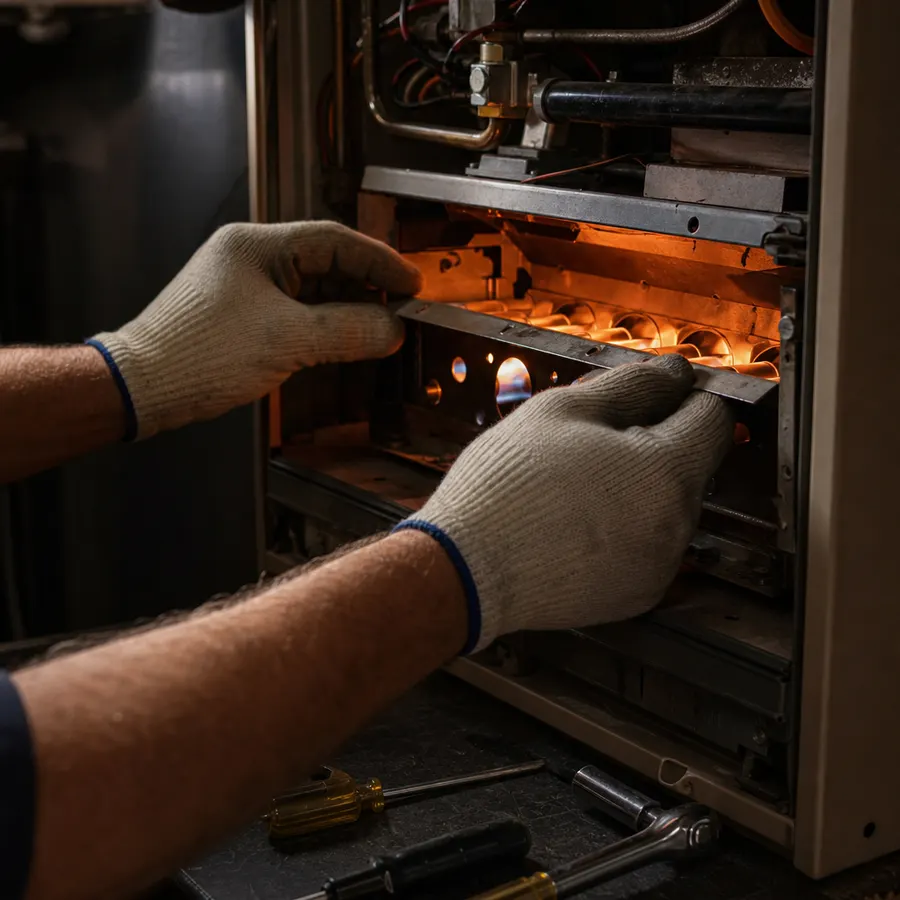
Resolving Heat Pump Malfunctions in Your Nicholasville Home
Is your heat pump blowing lukewarm air, or are you suddenly staring at a massive utility bill because your thermostat is permanently stuck in auxiliary heat mode? A heat pump that cannot keep up with our drastic temperature swings is doing more than just making your home uncomfortable; it is placing immense, damaging strain on your compressor. Feistritzer Heating & Air Conditioning is ready to inspect your system, identify the exact point of failure, and restore your home's comfort immediately.
Warning Signs Your Heat Pump Needs Professional Attention
When your dual-purpose system starts struggling, it usually gives you clear warnings before a total breakdown occurs. Because these units handle both your heating and cooling demands, any drop in performance affects your home immediately. Pay close attention to these common symptoms so we can intervene before the damage spreads to the compressor.
Thermostat Stuck in Auxiliary or Emergency Heat
You notice that the auxiliary or emergency heat indicator on your thermostat is constantly lit, even when the outdoor temperature is relatively mild. You might also notice a sudden, shocking spike in your monthly electric bill. Heat pumps use secondary electric resistance coils to supplement heating when the primary system cannot keep up with the demand.
If this indicator stays on, it means the primary heat pump has failed or lost efficiency, forcing the system to rely entirely on these expensive backup strips. If ignored, you will continue to pay exorbitant utility bills while the underlying issue steadily worsens. Eventually, this constant strain can lead to a complete system breakdown that requires major repairs.
Outdoor Unit Encased in Solid Ice
While a thin layer of frost is normal during damp weather, you might look outside and see the entire outdoor cabinet, coil, and fan blades trapped inside a thick block of ice. Heat pumps have a built-in defrost cycle that briefly reverses the system's operation to melt away this accumulation. When the defrost control board, thermostat, or reversing valve fails, the ice accumulates uncontrollably and never melts.
A frozen unit cannot pull heat from the outside air, effectively suffocating the system. Worse, the expanding ice can crush the delicate aluminum fins on the coil or snap the fan blades as they try to spin. This kind of physical damage destroys the outdoor unit entirely and requires immediate professional intervention.
System is Short Cycling
The heat pump turns on, runs for only a few minutes, shuts off, and then immediately turns back on. As a result, your home never quite reaches the temperature set on the thermostat. Short cycling is actually a protective mechanism where the system shuts itself down to prevent catastrophic damage.
This rapid on-and-off behavior usually points to restricted airflow, a failing compressor, low refrigerant charge, or an electrical malfunction. Starting up is the most stressful part of a heat pump's operating cycle. Constant starting and stopping will quickly burn out the run capacitor, overheat the compressor, and drastically shorten the system's overall lifespan.
Strange Noises from the Cabinet or Vents
You hear loud grinding, hissing, or metallic clanking coming from the outdoor unit, or a bubbling sound near the indoor air handler. Grinding usually points to failing motor bearings or a dying compressor that is struggling to operate. Hissing or bubbling often indicates a refrigerant leak, while a loud whoosh could be a failing reversing valve struggling to shift pressures.
Mechanical failures do not fix themselves and require immediate professional diagnosis. Allowing a motor to grind to a halt can cause severe electrical damage to other connected components. Ignoring a refrigerant leak will eventually freeze the indoor coil, starve the system of lubrication, and kill the compressor.
Common Causes of Heat Pump Failures
Understanding exactly what is going wrong inside your equipment helps take the mystery out of the repair process. Heat pumps are complex machines that rely on a delicate balance of electrical controls, mechanical parts, and pressurized refrigerant. Here are the most frequent issues we encounter in the field when diagnosing these systems.
Defrost Control Board or Sensor Failure
The electronic board or the sensors that tell the heat pump when to initiate its defrost cycle have shorted out or degraded over time. In Nicholasville, the frequent shifts between freezing rain, frost, and mild afternoon temperatures force heat pumps into constant defrost cycles. This heavy repetitive workload makes sensor and board failures incredibly common in our region.
The solution involves testing the electrical inputs and verifying that the sensors are reading temperatures accurately. We then replace the faulty board or thermistor to restore the automatic melting cycle. This prevents ice buildup, protects the outdoor fan motor, and restores your system's efficiency.
Stuck or Failing Reversing Valve
The brass valve responsible for reversing the flow of refrigerant gets physically stuck or loses its electrical solenoid connection. Because our local climate often requires heating in the morning and cooling in the afternoon, the reversing valve engages far more frequently here than in regions with stable seasons. This constant shifting causes mechanical wear and tear that eventually leads to failure.
A technician must diagnose whether the issue is the electrical coil activating the valve or the mechanical valve itself. If the mechanical valve has failed, the refrigerant must be safely recovered before the old valve is torched out. We then braze a new valve into place, pressure test the lines, and properly recharge the system.
Refrigerant Leaks
The pressurized chemical that transfers heat into or out of your home is slowly escaping through a pinhole leak in the copper lines or coils. Because heat pumps run year-round, the constant vibration and pressure changes accelerate wear on brazed joints and copper tubing. This loss of pressure forces the compressor to work twice as hard to condition your indoor air.
We must locate the exact source of the leak using electronic leak detectors and properly repair the copper line or coil. Afterward, we pressure test the system with nitrogen, pull a deep vacuum, and weigh in the precise factory charge of refrigerant. This exact process ensures your system operates at peak efficiency without burning out the compressor.
Clogged Condensate Drain Lines
Dirt, algae, and biological growth have formed a blockage in the PVC pipe that drains condensation away from your indoor air handler. During humid weather, the indoor coil extracts gallons of water from your air, which mixes with agricultural dust and pollen to create a thick sludge. This sludge easily clogs drains, triggering safety float switches that shut the whole system down.
The drain line must be flushed and cleared with compressed air or a specialized vacuum. We then treat the line to prevent future biological growth and ensure the safety float switches are functioning correctly. This restores proper drainage, gets your system running again, and protects your home from costly water damage.
What to Expect During Your Heat Pump Service Visit
When you call Feistritzer Heating & Air Conditioning out to your Nicholasville property, you get a NATE-certified technician who looks at the whole system rather than just the symptom. We are a repair-first, brand-agnostic company, meaning we do not care what logo is on the side of your unit. First, we listen to what you have been experiencing and inspect the system's overall load, airflow, and electrical draw.
We test the reversing valve, defrost controls, refrigerant pressures, and compressor health to pinpoint the exact point of failure. Because we operate with complete post-repair accountability, we will never just offer a temporary band-aid fix. We recommend the solution we would choose for our own homes based on your comfort needs, delivering honest, consultative service.
Protecting Your HVAC Investment
If your system is older and the cost of repair outweighs its remaining lifespan, we provide transparent Heat Pump Installation & Replacement services to ensure your new system is perfectly sized for your home's load. To prevent sudden breakdowns and keep your reversing valve and defrost boards in top shape year-round, we highly recommend our comprehensive Heat Pump Maintenance & Tune-Up services. If you are upgrading your home, we also handle Thermostat & Controls Installation & Replacement to ensure your system communicates flawlessly with your equipment.
The True Cost of Ignoring Heat Pump Issues
A struggling heat pump rarely stops working completely right away, but it will quickly become incredibly expensive to operate. When a system loses efficiency or the defrost cycle fails, it defaults to electric resistance heating to keep your home comfortable. This heavy reliance on backup heat strips can easily double or triple your monthly utility bill in a matter of weeks.
Beyond the immediate financial hit, forcing a heat pump to run with restricted airflow or low refrigerant puts massive thermal and electrical stress on the compressor. The compressor is the heart of your system, and replacing it is often nearly as expensive as buying a brand new outdoor unit. Addressing strange noises, icing, or short cycling early is the difference between a minor part replacement and a major system overhaul.
Restore Your Comfort Today
Do not let a malfunctioning heat pump leave you dealing with poor climate control or paying outrageous utility bills. Our homegrown team has been keeping Central Kentucky comfortable since 1976 by doing the job right the first time. If your Nicholasville heat pump is showing signs of failure, reach out to Feistritzer Heating & Air Conditioning to schedule your expert diagnostic visit today.