
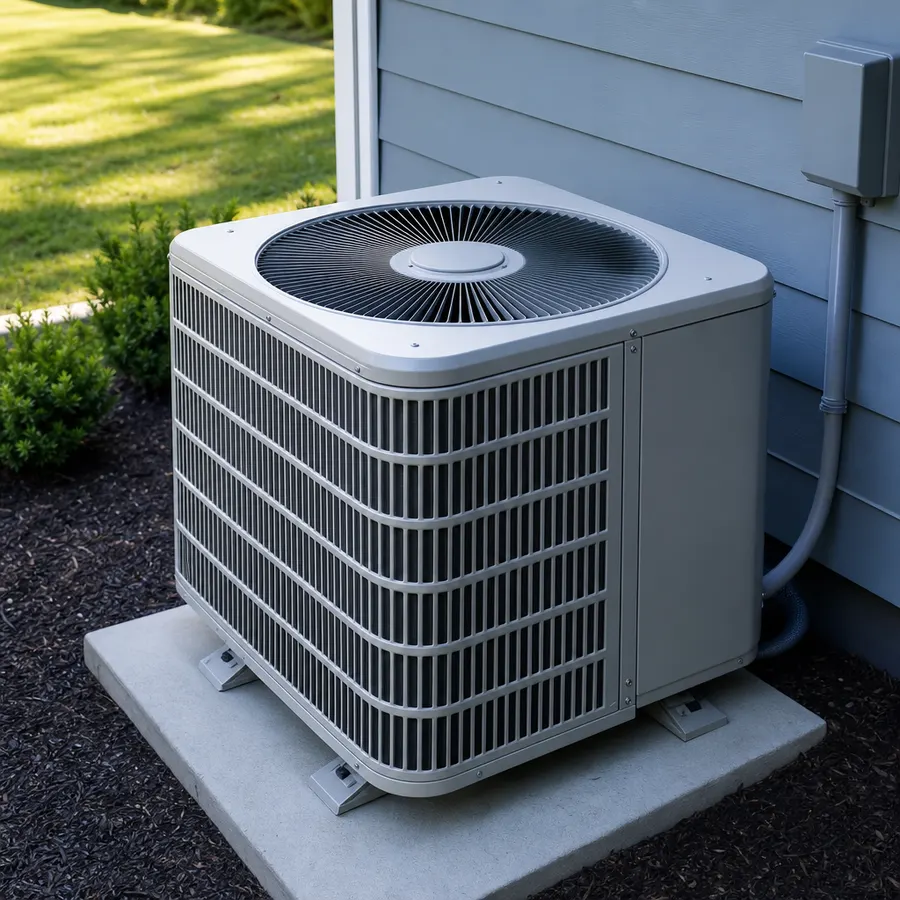
Resolving Ductless Mini-Split Problems in Your Crab Orchard Home
Are you staring at blinking error lights on your indoor wall unit, wiping up water dripping down your drywall, or listening to the system run constantly while only blowing room-temperature air against the heavy Crab Orchard agricultural dust? Ductless systems are incredibly efficient, but when their sensitive electronics lose communication between the indoor and outdoor units or when the blower wheel gets caked in debris, the system cannot correct itself. Feistritzer Heating & Air Conditioning is ready to step in with a repair-first approach that gets straight to the root of the error code without pushing an unnecessary replacement.
Warning Signs Your Ductless Mini-Split Needs Repair
Blinking Indicator Lights on the Wall Unit
You might notice the operation or timer lights on your indoor cassette flashing in a specific pattern, often accompanied by the system refusing to turn on or run the compressor. These blinking lights are actually error codes. Because ductless systems rely on continuous communication between the indoor head and the outdoor condenser, a disruption triggers a system lockout to prevent catastrophic damage.
A power surge, a faulty sensor, or a wiring issue can all cause this communication breakdown. Resetting the breaker might temporarily clear the code, but the underlying fault remains. Forcing the system to run with a communication error can permanently damage the expensive inverter board.
Water Dripping Down the Indoor Wall
Seeing water pooling on the floor directly beneath the wall unit or noticing water stains forming on the drywall behind the cassette is a clear sign of trouble. Ductless units pull a massive amount of moisture out of the air during normal operation. When the condensate drain line gets clogged with a mixture of dust, pollen, and biological growth, the water has nowhere to go but over the edge of the drain pan and down the wall.
If ignored, this does not just damage your paint and drywall. It can short out the sensitive electronics inside the wall unit and lead to hidden mold growth inside the wall cavity.
Weak Airflow or Room-Temperature Air
You might notice the fan is running, but you can barely feel the air standing a few feet away, or the air coming out is not conditioned to the right temperature. This usually points to a severely impacted blower wheel or a dirty coil. When the cylindrical fan inside the wall unit gets caked with household dust and airborne particulates, the blades simply cannot scoop and push the air effectively.
Alternatively, this lack of conditioning may indicate a slow refrigerant leak. Restricted airflow forces the system to run longer and harder, driving up utility bills and putting immense strain on the compressor. This added stress significantly shortens the system's lifespan.
Musty Odors When the System Runs
Smelling a sour, musty, or dirty sock odor immediately after turning the unit on means organic growth has taken hold inside the system. Because the indoor coil is constantly wet during operation, any dust or organic matter that bypasses the washable filters will stick to the coil. In humid environments, this creates the perfect breeding ground for mildew and bacterial growth inside the dark, damp chassis.
Beyond making the room smell unpleasant, this degrades indoor air quality. It strongly indicates that the system is overdue for a deep, chemical cleaning of the coil and blower wheel.
Unusual Noises from the Equipment
You might hear a grinding, clicking, or rattling noise coming from the wall cassette or the outdoor condenser. Ductless systems are designed to operate at whisper-quiet sound levels, so any mechanical noise is an immediate warning sign. A grinding noise inside usually means the blower wheel bearings are failing or the wheel itself has become severely unbalanced due to heavy dirt buildup.
Clicking noises often originate from the control board relays struggling to send power to the compressor or fan motors. If the noise is coming from the outdoor unit, it could indicate a failing fan motor or a compressor that is struggling against high pressure. Running the system while it makes these sounds can turn a simple fan motor replacement into a complete system failure.
What Is Causing Your Mini-Split Malfunction
Clogged Condensate Drain Lines
The small drain tube that routes water from the indoor unit to the outside often becomes blocked by a gelatinous buildup of algae, mold, and dirt. In the Crab Orchard area, the combination of high humidity and the heavy presence of agricultural dust and pollen accelerates this sludge buildup. This makes drain clogs one of the most frequent causes of mini-split leaks we see in rural properties.
The solution requires a professional to flush and clear the drain line completely. We treat the pan to prevent future biological growth and ensure the line has the proper pitch for reliable gravity drainage.
Inverter Board and Communication Failures
The sophisticated circuit boards that control the variable-speed compressor and coordinate between the indoor and outdoor units can fail or lose their programming. Rural power grids are prone to micro-surges, voltage drops, and brief outages. These fluctuations are notoriously hard on the sensitive electronics found in modern ductless systems.
We diagnose the exact voltage and communication signals between the units to pinpoint the breakdown. If a board is fried, we replace it, but if it is just a wiring issue, we repair the connection and often recommend a dedicated surge protector.
Refrigerant Leaks at Flare Connections
When the system loses its specialized refrigerant charge, it causes a total loss of heating or cooling capacity and can even freeze the indoor coil. Unlike traditional ducted systems that use brazed copper joints, mini-splits rely on flared mechanical fittings to connect the refrigerant lines. If these flares were poorly made during the initial installation, or if the outdoor unit settles and vibrates over time, the connections can loosen and leak.
A technician must locate the leak, which is usually found right at the fittings. We repair or re-flare the connection, pressure test the line set, and weigh in the precise factory charge of refrigerant to restore performance.
Impacted Outdoor Condenser Coils
Because many properties are surrounded by open fields, outdoor mini-split condensers pull in a high volume of field dust, pollen, and debris. This material gets sucked directly into the delicate aluminum fins of the outdoor coil. When the coil is blanketed in this debris, the system can no longer transfer heat effectively.
This forces the compressor to run at maximum capacity just to maintain the temperature in your room. We carefully wash the outdoor coil with specialized cleaners to remove the impacted dirt, restoring the system's ability to breathe and function efficiently.
What to Expect During the Service Visit
When a NATE-certified technician from Feistritzer Heating & Air Conditioning arrives at your home, the visit begins with a thorough diagnostic process. Because ductless systems are highly computerized, we do not just guess at the problem. We pull the specific error codes, test the electrical communication between the indoor and outdoor units, and check the refrigerant pressures.
We are completely brand-agnostic, meaning whatever brand you own, we diagnose the whole system. Our repair-first philosophy means we sit down with you to explain exactly what failed and why. We lay out the options clearly, showing you what can be repaired today to restore your comfort.
Honest Recommendations Based on Your Needs
We only recommend solutions based on load, comfort, and the lifecycle of the equipment, never just by the logo on the box. You get an honest assessment of what needs immediate attention and what can wait. Many older farmhouses and rural outbuildings rely heavily on these units for zoned comfort, so we work efficiently to get that specific zone back online.
Related Services to Consider
If your ductless system is suffering from chronic airflow issues or musty odors, a deep cleaning through our Ductless Mini-Split Maintenance & Tune-Up service is often the best preventative step to keep it running efficiently. If your home uses a combination of ductless units for additions and a central system for the main house, we also provide comprehensive Heat Pump Repair & Service. This ensures your entire property remains comfortable and efficient without unexpected breakdowns.
The True Cost of Ignoring Ductless Issues
Ignoring a malfunctioning mini-split rarely saves money in the long run. A system that is leaking water will quickly ruin drywall, paint, and flooring, turning a minor drain clog into a major home repair project. Furthermore, running a ductless unit with an impacted blower wheel, a slow refrigerant leak, or a blinking communication error forces the variable-speed compressor to work in overdrive.
Because the compressor is the most expensive component in a ductless system, allowing it to overheat and burn out turns a straightforward repair into a costly unit replacement. Addressing warning signs early protects your investment and keeps your utility bills predictable. It ensures the specific zone in your Crab Orchard home remains comfortable and usable.
Expert Ductless Repair for Your Crab Orchard Home
When your mini-split stops delivering the quiet, efficient comfort you expect, you need a homegrown team that understands the technology inside and out. Feistritzer Heating & Air Conditioning has been serving Central Kentucky since 1976 with accountable, consultative service. We are ready to diagnose your ductless system, explain your options clearly, and get your room back to the perfect temperature.