
Resolving Ductless Mini-Split Failures in Your Salvisa Property
Is your wall unit blowing lukewarm air, dripping water down your drywall, or stubbornly flashing an error code instead of turning on to combat the Salvisa humidity? Ductless mini-splits are incredibly efficient, but their compact design means that when a sensor fails, a coil clogs with agricultural dust, or a condensate line backs up, the system shuts down rapidly to protect itself. When your mini-split stops communicating or loses its heating and cooling capacity, Feistritzer Heating & Air Conditioning is ready to diagnose the exact point of failure and get your system running again.
Warning Signs Your Ductless System Needs Repair
Blinking Indicator Lights
The most common sign of a ductless breakdown is a flashing light on the indoor unit's display, often accompanied by the system refusing to respond to the remote control. These flashes are actually diagnostic codes that the system uses to tell you exactly what component has failed. Unlike traditional HVAC systems, mini-splits rely on continuous electronic communication between the indoor head and the outdoor compressor.
A flashing light usually means this communication has been lost, a temperature sensor has failed, or the inverter board has detected a critical electrical fault. Resetting the breaker might temporarily clear the code, but it will not fix the underlying physical or electrical issue. Continuing to force the system to run with an active fault code can permanently damage the compressor or the control boards.
Water Dripping or Spitting from the Indoor Unit
You might notice water running down your interior wall, pooling on the floor beneath the air handler, or even feel the unit actively spitting mist into the room. Mini-splits pull a massive amount of moisture out of the indoor air as they cool your space. When the condensate drain line gets clogged with dust, dirt, or algae, that accumulated water has nowhere to go but over the edge of the drain pan.
If ignored, this overflowing water will quickly ruin drywall, warp hardwood flooring, and create a breeding ground for mold inside the unit itself. Sometimes, the issue is not a clog but a failed condensate pump, which is often installed in situations where gravity drainage is not possible. We can quickly clear the blockage, flush the line, and test the pump to ensure proper drainage.
Musty, Dirty Sock Odors
When you turn the unit on, the room might immediately fill with a sour, musty smell that resembles dirty gym socks or damp mildew. This happens when biological growth takes hold on the indoor evaporator coil or the cylindrical blower wheel. Because these units handle large volumes of air and moisture, the dark, damp interior of the wall unit becomes the perfect environment for mold and bacteria to thrive.
Breathing in this contaminated air can aggravate allergies and respiratory issues for anyone in the home. Standard filter cleaning will not resolve this problem once the growth has established itself on the internal components. The system requires a deep, professional teardown and cleaning of the blower wheel and coil using specialized biocides to eradicate the growth completely.
Weak Airflow or Lukewarm Output
The fan might be running, but the air coming out feels weak, or it simply isn't cold enough in cooling mode to change the room's temperature. This typically points to one of two distinct problems: a blower wheel that is completely choked with household dust, or a slow refrigerant leak that has robbed the system of its heat transfer capabilities.
A system struggling to condition the air will run continuously at its highest speed, driving up your energy bills while putting excessive strain on the compressor motor. We measure the temperature drop across the coil to determine if the issue is airflow restriction or a chemical refrigerant shortage. Restoring the proper airflow or refrigerant charge instantly brings back the comfort and efficiency you expect.
Strange Clicking or Grinding Noises
Ductless systems are famous for being whisper-quiet, so any new noise is a clear indicator that something is mechanically wrong. A clicking, ticking, or "cheese-grater" sound coming from the indoor air handler usually means the long, cylindrical blower wheel has become unbalanced. This imbalance is often caused by a heavy buildup of dirt on one side of the wheel, or a failing fan motor bearing.
If you hear buzzing or loud vibration from the outdoor unit, the system might be struggling with a failing compressor or an obstructed outdoor fan blade. Ignoring these mechanical noises usually leads to a shattered blower wheel or a seized motor. Catching the noise early allows us to clean the components or replace a minor part before a catastrophic mechanical failure occurs.
Common Causes Behind Mini-Split Breakdowns
Clogged Outdoor Coils from Agricultural Debris
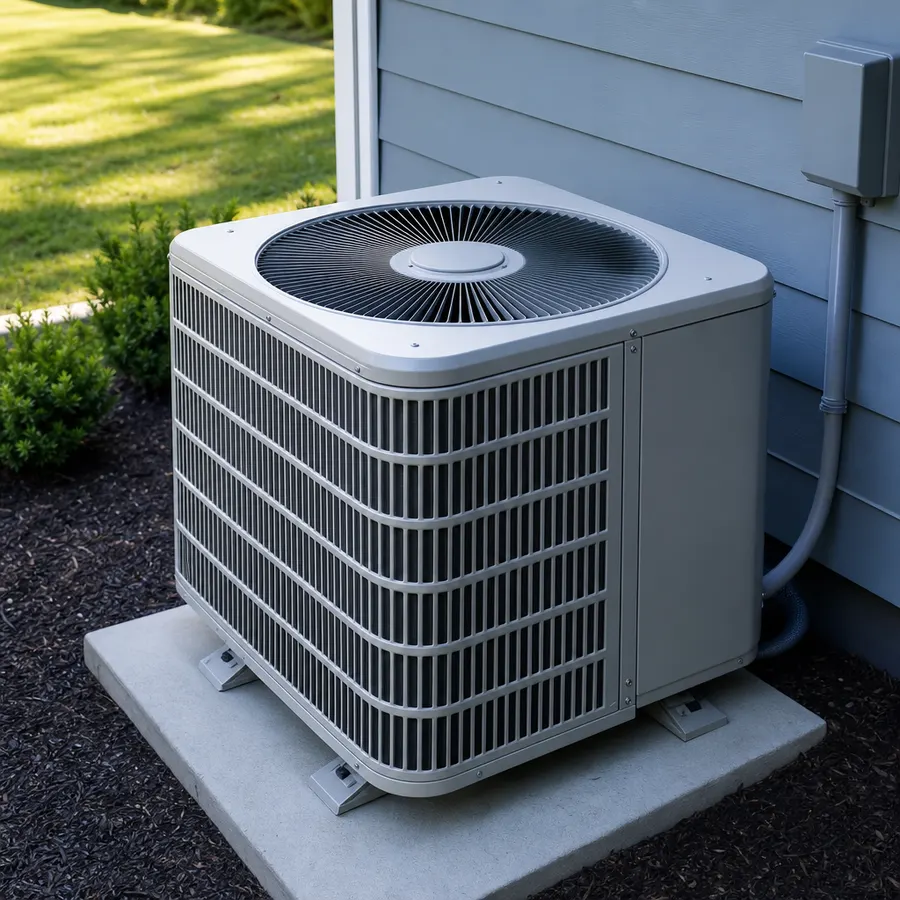
The outdoor condenser unit can easily suffocate when its aluminum fins become packed with dirt, pollen, grass clippings, or airborne field dust. In Salvisa's rural and agricultural environment, outdoor units are highly susceptible to pulling in this heavy airborne debris. Because ductless mini-split coils have very tight spacing known as micro-channel coils, they clog much faster than traditional, older air conditioning units.
When the outdoor coil is blanketed in debris, the system cannot release the heat it absorbed from inside your home. The solution involves safely dismantling the outdoor unit casing to access the delicate fins. We use specialized chemical coil cleaners and precise, low-pressure washing to clear the debris without bending or damaging the micro-channel aluminum.
Control Board Failure from Power Fluctuations
The complex electronic circuit boards that control the variable-speed compressor can short out or fail unexpectedly. Rural power grids can occasionally experience micro-surges, voltage drops, or brief outages during severe weather. Because ductless systems are essentially large computers that manage refrigerant flow, their inverter boards are highly sensitive to these power inconsistencies.
When an inverter board fails, the outdoor unit will refuse to turn on, even if the indoor unit appears to have power. We test the electrical components with multi-meters to isolate the failed board and replace it with the correct original equipment manufacturer part. To protect this expensive repair, we often recommend installing a dedicated surge protector directly at the outdoor disconnect box.
Refrigerant Leaks at Flare Connections
Your system may have lost the chemical refrigerant required to move heat into or out of your living space. Unlike traditional ducted systems that use brazed and welded copper joints, ductless mini-splits rely on flared mechanical fittings to connect the indoor and outdoor units. Over time, constant vibration, seasonal temperature swings, or poor initial installation practices can cause these flare nuts to loosen and leak.
Because mini-splits hold a very specific, weighed-in charge of refrigerant, even a tiny leak will cause a massive drop in performance. We perform an electronic leak search to find the compromised connection, cut out the bad copper, and create a brand new flare joint. After repairing the connection, we pressure test the system with nitrogen and recharge the exact weight of refrigerant required by the manufacturer.
What to Expect During Your Service Visit
A Consultative, Repair-First Approach
When you call Feistritzer Heating & Air Conditioning to your Salvisa home, you get a consultative, repair-first approach from a professional technician. We do not employ salespeople disguised as technicians, and we never push for a replacement when a reliable repair is possible. As a homegrown, family-owned business operating since 1976, our goal is to accurately diagnose the problem and give you the straightforward facts about your equipment.
Comprehensive System Diagnostics
We start by checking the error codes on the main board and testing the communication voltage between your indoor and outdoor units. We will inspect the electrical connections, measure the refrigerant charge, and closely examine the cleanliness of the blower wheels and evaporator coils. Because we are proudly brand-agnostic and NATE-certified, we have the specialized training and expertise to troubleshoot any make or model of mini-split you own.
Clear Options and Honest Recommendations
Once we pinpoint the exact point of failure, we explain exactly what is happening in plain language and lay out your repair options. We will tell you what can be fixed today, what might require ordering a specialized OEM part, and how much the repair will cost upfront. We always give you our honest recommendation on the most cost-effective path forward, basing our advice on system load, your comfort, and the remaining lifecycle of the equipment.
Related HVAC Services to Consider
Proactive System Maintenance
Sometimes, a sudden breakdown is simply a sign that the system has not been properly cleaned or evaluated in years. To prevent future drain clogs, eradicate musty odors, and stop efficiency loss, we highly recommend scheduling regular Ductless Mini-Split Maintenance & Tune-Up services. Routine maintenance allows us to clean the blower wheels and flush the drains before they cause a mid-season shutdown.
Whole-Home Comfort Solutions
Many rural properties utilize a combination of ductless units for additions and traditional central systems for the main house. If your property relies on multiple types of equipment, our NATE-certified technicians are fully equipped to provide comprehensive Heat Pump Repair & Service. We ensure your entire home remains comfortable year-round, no matter what combination of heating and cooling technology you have installed.
The True Cost of Ignoring Mini-Split Problems
Cascading Equipment Failures
Ductless systems are highly engineered, precision pieces of equipment, and they absolutely do not heal themselves. Ignoring a small issue like a blinking light or a strange noise almost always leads to a cascading failure that affects multiple components. A clogged filter or a dirty blower wheel forces the system to run longer and harder, which can quickly overheat the inverter compressor.
Expensive Water and Electrical Damage
The compressor is the most expensive component in the entire ductless system, and protecting it should be your top priority. Similarly, allowing an indoor unit to continuously drip water will not only destroy your drywall and baseboards, but the moisture can short out the indoor unit's sensitive electrical sensors. Addressing a flashing light, a strange noise, or a minor leak early keeps your repair costs low and significantly extends the lifecycle of your equipment.
Ready to Restore Your Comfort?
You should not have to live with a malfunctioning mini-split or constantly worry about water damaging your interior walls. Feistritzer Heating & Air Conditioning brings decades of local, NATE-certified expertise to every service call in Salvisa and the surrounding communities. We stand by our repair-first philosophy and post-service accountability, so contact us today to schedule your ductless mini-split diagnostic and get your system back to peak performance.