
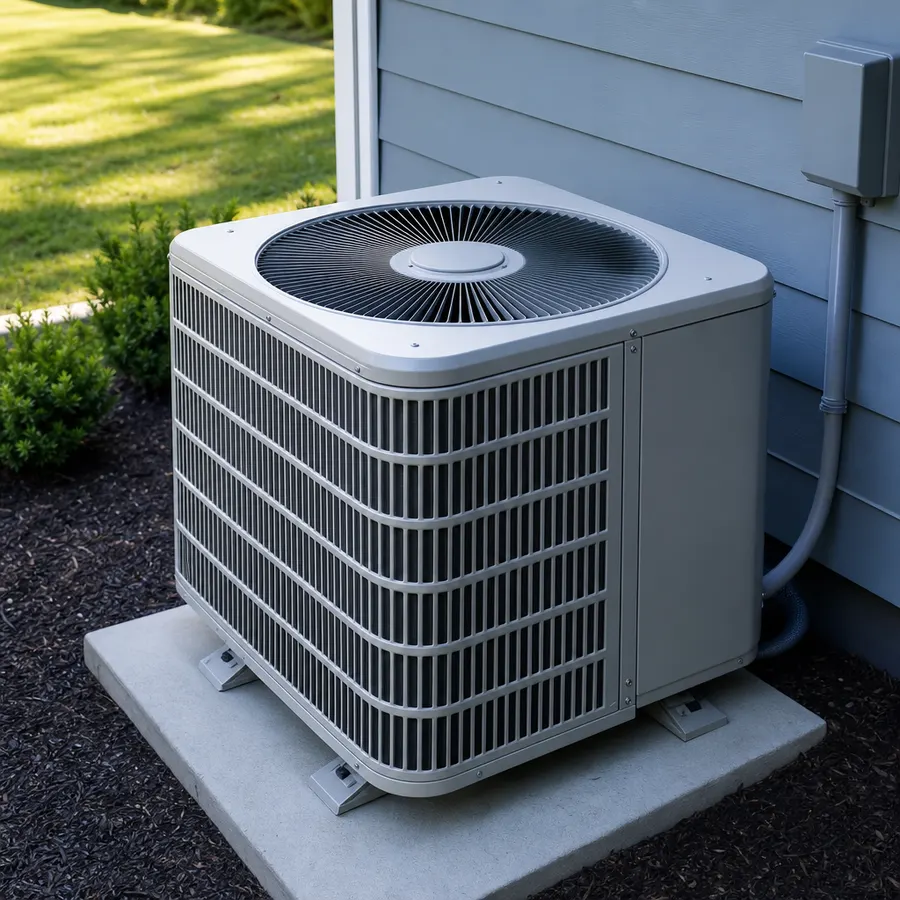
Restoring Geothermal Efficiency in Your Versailles Home
Is your geothermal system running constantly but struggling to keep your home comfortable, or are you hearing strange gurgling noises from the loop pump while dealing with sudden spikes in your electric bill? These highly efficient ground-source heat pumps require precise fluid pressures and clean components to function properly, and when they get bogged down by agricultural dust or hard water scale, they quietly fall back on expensive auxiliary electric heat. Feistritzer Heating & Air Conditioning provides thorough, NATE-certified maintenance to catch these hidden inefficiencies and ensure your system is running on ground-source energy rather than backup power.
Warning Signs Your Geothermal System Needs a Tune-Up
Recognizing the early indicators of system stress can save you from a massive utility bill at the end of the month. Geothermal units are designed to operate quietly and efficiently, transferring heat from the earth directly into your living space. Any deviation from this normal, quiet performance is a clear signal that something requires professional attention before it worsens.
Homeowners often miss the subtle signs of a struggling system because the backup heating elements mask the underlying mechanical failures. Look out for these common symptoms that indicate your equipment is struggling to keep up with your household demands. Catching these issues early is the key to avoiding premature equipment failure.
Spiking Energy Bills
You open your utility bill and see a massive increase, even though your thermostat settings have not changed at all. This usually means the geothermal unit is struggling to extract heat from the ground loop and is relying heavily on its backup auxiliary electric heating elements. Ignoring this issue turns your highly efficient system into an oversized, incredibly expensive space heater that drains your wallet.
Less Hot Water Production
If your geothermal system is equipped with a desuperheater to help heat your domestic water, you might notice your hot water running out much faster than usual. This indicates that the heat transfer process is failing, often due to mineral scale buildup or a failing circulation pump. Left unchecked, you lose one of the best cost-saving benefits of owning a geothermal unit in the first place.
Gurgling or Whining Loop Pumps
You hear a distinct gurgling, swooshing, or high-pitched whining noise coming from the indoor unit's flow center. This is a classic symptom of air trapped in the loop lines or a circulator pump struggling with low fluid pressure, known as cavitation. If the pump runs dry or overworks for too long under these conditions, it will eventually burn out entirely and require a costly replacement.
Unusually Long Run Times
The system seems to run for hours on end without actually reaching the temperature you set on your thermostat. This points to a significant loss of heat transfer capability caused by dirty indoor coils, restricted airflow, or an improper refrigerant charge. Prolonged run times put unnecessary wear and tear on the compressor, ultimately shortening the lifespan of your expensive equipment.
Common Causes of Geothermal Inefficiency
Geothermal heat pumps are incredibly durable, but the local environment can take a serious toll on their performance over time. The unique soil conditions and water quality in our region present specific challenges for these advanced systems. Here is exactly what is usually happening behind the scenes when your unit starts acting up.
Low Loop Fluid Pressure
Geothermal systems rely on a perfectly pressurized loop of water and antifreeze to transfer heat effectively from the earth to your home. In areas like Versailles, shifting heavy clay soils can put immense stress on buried lines, occasionally leading to micro-leaks or a natural drop in loop pressure over time. Re-pressurizing the loop and purging trapped air is a standard part of professional maintenance that restores optimal heat transfer.
Hard Water Scale in the Desuperheater
Because Central Kentucky is known for exceptionally hard water, the minerals in your water supply can accumulate inside the desuperheater's heat exchanger. Over time, this stubborn calcium and magnesium scale acts as an insulator, preventing the system from transferring excess heat into your hot water tank. A proper tune-up involves inspecting these specific components and flushing them to keep your domestic hot water production efficient.
Fouled Heat Exchanger Coils
Particularly on sprawling rural properties and horse farms, heavy agricultural dust, pollen, and debris can easily bypass standard air filters. When this dirt coats the indoor heat exchanger coil, it severely restricts the unit's ability to condition the air circulating inside your home. Cleaning the coils restores proper airflow and allows the system to exchange heat without overworking the compressor motor.
Electrical Wear and Tear
Like any heavy-duty HVAC system, geothermal units rely on contactors, capacitors, and relays to start and run the compressor and fan motors. Over thousands of heating and cooling cycles, these internal electrical components degrade naturally. Testing and replacing a pitted contactor or a weak capacitor before it fails protects the larger, much more expensive components in your system from sudden electrical damage.
What to Expect During the Service Visit
When you schedule a geothermal tune-up with Feistritzer Heating & Air Conditioning, you get a comprehensive, consultative evaluation of your entire setup. We do not just change the air filter and walk away; our NATE-certified technicians dive deep into the mechanics of your equipment. We approach every maintenance visit as an opportunity to optimize your system for the specific demands of your property.
Because many systems in Versailles manage significant heating and cooling loads for large historic homes or sprawling estates, precision is absolutely critical. We diagnose the whole system to ensure every single part is contributing to your overall home comfort and energy savings. Our goal is to verify that you are getting the maximum return on your investment in ground-source technology.
Inspecting the Ground Loop and Flow Center
Our technicians carefully measure the loop fluid pressure, check antifreeze levels, and inspect the flow center for any signs of hidden leaks or pump wear. We verify that the circulation pumps are operating at the correct speed and are not suffering from cavitation due to trapped air. If the loop pressure has dropped due to shifting clay soils, we will re-pressurize the lines to restore proper heat transfer.
Evaluating Electrical and Airflow Components
We meticulously test all electrical components, measure compressor amp draws, and inspect the wiring for any signs of degradation. Our team also cleans the heat exchange coils to remove any accumulated agricultural dust and ensure maximum airflow throughout your home. By addressing these minor airflow and electrical restrictions, we reduce the strain on your compressor and lower your monthly energy consumption.
Our Consultative Approach
If we spot a worn part during our visit to your Versailles home, we will explain exactly what is happening and show you the data firsthand. We believe in showing homeowners what can be repaired right now and what can safely wait for a future visit. We always recommend the most cost-effective solution we would choose for our own homes, ensuring you have all the information needed to make the right decision.
Related Services You May Need
During routine maintenance, we occasionally uncover components that have already failed or are completely unsafe to operate. If this happens, our team is fully equipped to handle comprehensive Geothermal Repair & Service to get your system back online quickly and safely. Additionally, if your property utilizes a hybrid setup or has secondary buildings, we also provide expert Heat Pump Maintenance & Tune-Up services to ensure every zone operates at peak efficiency.
Why This Matters and the Cost of Waiting
Ignoring routine maintenance on a geothermal system rarely results in an immediate, catastrophic breakdown, but it does cause a slow, incredibly expensive decline in efficiency. As loop pressure drops or coils get dirty, the system quietly defaults to auxiliary electric heat to make up the difference. Homeowners often do not realize there is a massive problem until they receive a staggering utility bill that wipes out their expected energy savings.
Furthermore, allowing a loop pump to operate with low pressure or trapped air will eventually cause the pump to fail completely. This easily turns a routine tune-up into a costly, multi-part repair that could have been avoided with a simple inspection. Regular maintenance protects the massive investment you have made in geothermal technology and keeps your monthly operating costs exactly where they should be.
The heavy clay soil typical of the Bluegrass region is excellent for geothermal heat transfer, but it demands that your underground loop lines are perfectly pressurized. Failing to monitor this pressure means your system will constantly struggle against the environment rather than working with it. Taking a proactive approach to maintenance ensures your system delivers reliable, low-cost comfort year after year.
Schedule Your Geothermal Tune-Up Today
Do not let hidden inefficiencies drive up your energy bills or wear out your highly advanced equipment prematurely. Since 1976, Feistritzer Heating & Air Conditioning has been delivering accountable, expert HVAC care to Central Kentucky families. If your system is underperforming or overdue for a thorough inspection, contact us today to book your comprehensive geothermal maintenance visit.