
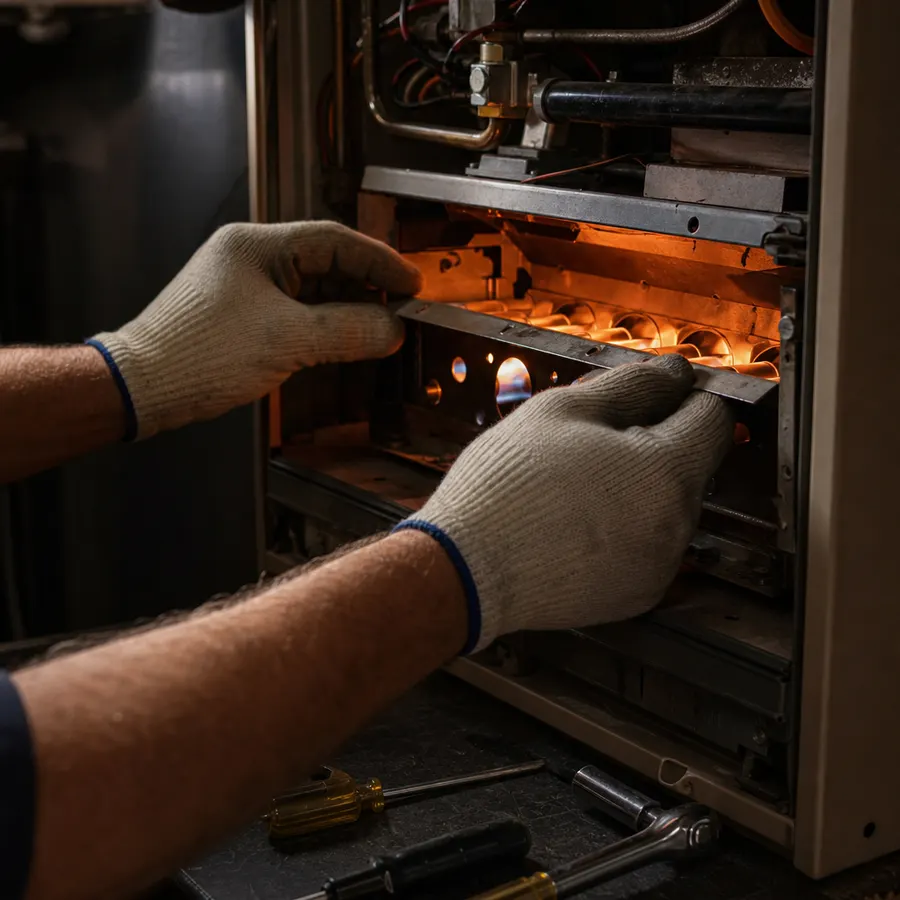
Upgrading or Installing Gas Lines in Your Versailles Home
Are you trying to upgrade to a modern, high-efficiency gas furnace but lack the proper connections, or have you caught a faint sulfur smell near the damp utility room of your older Versailles property? Gas lines are the literal lifeline of your heating system, but dealing with undersized pipes or aging infrastructure is absolutely not a DIY project. Whether you need a brand-new line run for a system conversion or need to safely replace degraded pipes, Feistritzer Heating & Air Conditioning is ready to properly size, route, and pressure-test your lines to exact safety codes.
Warning Signs Your Gas Line Needs Professional Attention
Gas line issues rarely resolve themselves and typically worsen over time. If you notice any of the following symptoms, your system requires immediate professional evaluation:
- Furnace turning on and off rapidly
- Sputtering noises from the burners
- Faint sulfur or rotten egg odors
- Flaking rust on exposed piping
- Hissing sounds near gas appliances
Furnace Short-Cycling or Sputtering
You notice your gas heating equipment turning on, running for just a few minutes, and then shutting off abruptly. You might also hear a sputtering sound coming from the burners when the system tries to ignite. This is a classic sign of fuel starvation affecting your entire heating cycle.
The gas line feeding the equipment is likely undersized for the BTU requirements of the unit. This means the furnace is literally gasping for fuel and shutting down to protect itself from damage. If ignored, this constant on-and-off cycling will quickly destroy the internal components of your furnace.
Faint Rotten Egg Odors
You catch intermittent whiffs of a sulfur or rotten egg smell near your utility room, basement, or directly around your heating equipment. Natural gas and propane are naturally odorless fuels. Utility companies add this distinct scent specifically so you can detect a leak before it becomes a disaster.
Even a faint smell means there is a micro-leak somewhere in the pipe joints, valves, or the line itself. This is an immediate emergency that requires you to step away and call for professional help. Ignoring a gas smell risks carbon monoxide buildup, severe health hazards, and the potential for a catastrophic fire.
Visible Corrosion on Exposed Pipes
When looking at the pipes running along your basement ceiling or crawlspace, you see flaking rust, deep pitting, or a powdery greenish-white buildup. This corrosion usually gathers around the threaded joints of older black iron pipes. Moisture in the air has compromised the structural integrity of the metal over decades of use.
While the pipe might not be leaking yet, the walls of the pipe are thinning and the threads holding the joints together are weakening. Waiting for a corroded pipe to fail means waiting for a dangerous gas leak to happen inside your home. Replacing these sections proactively is the only way to ensure the system remains safe and up to code.
Hissing Sounds Near Valves or Appliances
You hear a very faint, continuous hissing noise when standing quietly near your furnace or water heater. This sound can persist even when the equipment is completely turned off. This indicates an active pressure leak pushing gas out into the surrounding air.
These leaks usually occur at a shutoff valve, a loose fitting, or a degraded flexible gas connector hidden behind the appliance. A hissing leak is actively venting combustible gas into your home, creating a highly volatile environment. The gas supply must be shut off immediately, and the line must be professionally repaired or replaced.
What Causes Gas Line Issues in Versailles
Improper Sizing for System Upgrades
Homeowners often purchase a new, higher-capacity heating system but attempt to hook it up to the existing gas infrastructure. In many older Versailles homes, the original gas lines were sized for smaller, less demanding appliances from decades past. A standard half-inch line simply cannot carry the volume of gas required by a modern, high-BTU multi-stage furnace.
When the line is too small, the equipment ends up starved for fuel. The solution involves a professional load calculation to determine the exact fuel requirements of your new system. We then install a wider trunk line to ensure adequate, safe fuel delivery to all gas appliances in your home.
Aging Infrastructure in Historic Properties
Decades-old black iron pipes naturally reach the end of their safe lifespan. The threaded joints bear the most physical stress and are usually the first point of failure. Many historic homes in the area have damp stone basements or unencapsulated crawlspaces that trap moisture year-round.
This constant exposure to central Kentucky humidity accelerates the rusting and degradation of older iron gas lines. Over time, the threads rust away and microscopic leaks begin to form inside the walls or beneath the floors. We map out the degraded sections, shut down the gas supply, and replace the failing pipes with modern materials.
Foundation Settling and Soil Shifting
The physical ground beneath and around your home moves, putting immense pressure on rigid gas pipes that run through foundation walls. The heavy clay soils common in our region expand significantly when wet and shrink during dry spells. Over the years, this constant shifting physically pulls at buried or foundation-mounted gas lines.
This movement causes rigid joints to crack under the strain, which is especially common for rural properties relying on buried propane lines. We locate the compromised section of the line and safely replace the damaged piping. We install the new lines with appropriate sleeving or flexible connections where code permits to accommodate future ground movement.
What to Expect During Your Gas Line Installation
When you call Feistritzer Heating & Air Conditioning for gas line services, we approach the job with strict accountability and safety protocols. We do not just start cutting pipe without a plan. We diagnose the whole system to understand exactly what your home needs.
Comprehensive Load Calculation and Inspection
First, we perform a thorough consultation and load calculation for your property. If you are adding new equipment, we calculate the total BTU requirements of your home to ensure the new line is sized correctly. This prevents the fuel starvation issues that ruin newly installed furnaces.
Next, we physically inspect the routing area and pressure-test any existing lines. This helps us identify hidden leaks or pressure drops that might compromise the new installation. We explain our findings clearly and recommend the solution we would choose for our own home.
Code-Compliant Installation Process
During the installation, our NATE-certified technicians ensure every fitting, hanger, and valve meets or exceeds current safety codes. We use the highest quality materials designed to withstand local environmental conditions. We treat your property with respect, keeping our work area clean and minimizing disruptions to your daily routine.
Whether we are running lines through a tight crawlspace or trenching for a propane setup, we prioritize precision. Every joint is sealed perfectly, and every pipe is supported correctly to prevent future sagging or stress. We never cut corners when it comes to combustible fuel.
Post-Installation Safety Testing
Finally, we perform a rigorous post-installation pressure test to verify the absolute integrity of the new lines. We will walk you through the completed work and show you exactly where your new emergency shutoff valves are located. We want you to feel completely confident in operating your home systems safely.
Before we consider the job done, we ensure your heating equipment is firing perfectly. We check the manifold pressure at the furnace to guarantee the burners are receiving the exact amount of fuel they need. This accountable, repair-first approach ensures your system runs efficiently for years to come.
Related Services to Consider
Gas line installation often goes hand-in-hand with major system upgrades. If you are running new lines to transition away from an old electric or oil system, our team provides expert Heating Installation & Replacement. We will help you select the exact right unit for your home load requirements, completely brand-agnostic.
Once your new gas lines and equipment are in place, keeping them safe and efficient requires regular professional attention. We highly recommend scheduling routine Heating Maintenance & Tune-Up services every year. This ensures your burners remain clean, your gas pressure stays perfectly calibrated, and your heat exchanger remains structurally sound.
The True Cost of Ignoring Gas Line Problems
Delaying necessary gas line repairs or cutting corners on a new installation carries severe consequences for your property. Gas leaks do not fix themselves, and undersized lines will not magically adapt to new equipment. Ignoring these issues always leads to more expensive, and often dangerous, outcomes.
Catastrophic Safety Risks
The most obvious risk of failing gas lines is the potential for carbon monoxide poisoning, fires, or explosions. Combustible gas building up in a basement or crawlspace is a ticking time bomb. Even a micro-leak can slowly fill an enclosed space with highly flammable vapors over a few days.
Professional installation and immediate leak repair eliminate these risks entirely. You gain total peace of mind knowing your fuel delivery system is structurally sound.
Ruined HVAC Equipment
Beyond immediate safety hazards, improper gas lines will quickly ruin your expensive HVAC equipment. If your gas line is undersized, your furnace will run lean and struggle to produce heat. This constant strain causes the heat exchanger to overheat, warp, and eventually crack.
A cracked heat exchanger effectively destroys a furnace that costs thousands of dollars to replace. It also creates an immediate carbon monoxide hazard inside your ductwork. Properly sizing your gas lines upfront protects your investment and ensures your furnace reaches its full expected lifespan.
Failed Real Estate Inspections
Unpermitted or improperly installed gas lines are a major red flag during real estate transactions. If you ever plan to sell your home, amateur gas work will fail inspection instantly. Buyers will demand that the dangerous lines be removed and replaced before a sale can close.
This requires costly professional remediation and can easily delay or derail a home sale. Doing the job right the first time by hiring a licensed professional prevents these legal and financial headaches. Code-compliant gas lines add value and safety to your property.
Reliable, Code-Compliant Gas Line Solutions
Your family safety and your heating system performance depend on properly installed gas infrastructure. As a homegrown, family-owned business serving Central Kentucky, we take our responsibility to our neighbors seriously. We do the job right by code, by load, and by lifecycle, and we never cut corners on your safety.
If you need a gas line inspected, extended, or newly installed in Versailles, our team is ready to deliver the accountable, expert service your home deserves. Call Feistritzer Heating & Air Conditioning today to schedule your consultation and keep your heating system operating flawlessly.